Keep Your Vehicle Running Smoothly
The open road beckons, but without regular car maintenance, your trusty vehicle can quickly become a costly liability. Proactive care isn’t just about avoiding inconvenient breakdowns. It’s a critical investment in your safety, your car’s longevity, and your peace of mind. Skipping routine checks can lead to minor issues snowballing into expensive repairs. It also diminishes your car’s resale value, and potentially compromises the safety of you and your passengers.
This comprehensive checklist will guide you through the essential maintenance tasks and service intervals your car needs. It helps your vehicle perform at its best. By understanding what needs to be done and when, you can establish a routine that maximises your car’s lifespan and minimises unexpected expenses. Let’s dive into the key areas of car care to keep your vehicle in top condition.
Engine & Drivetrain Health: The Heart of Your Vehicle
Your car’s engine is its power source. It works hard, and its health directly affects performance and reliability. Regular checks on core mechanical components prevent major failures. They ensure your vehicle runs smoothly on every journey.
Oil Changes & Filter Replacement
Engine oil is critical. It lubricates moving parts, reducing friction and heat. It also helps cool the engine and cleans away harmful deposits. Without fresh oil, engine components wear faster. You risk serious damage.
Most cars need an oil change every 10,000 to 15,000 kilometres, or every six to twelve months. Always check your car’s handbook for the exact schedule. Using the right oil viscosity, like 5W-30, is important too. A dirty oil filter prevents clean oil from reaching your engine. Change it with every oil service to keep oil flow perfect.
Coolant System Checks
The coolant system stops your engine from overheating. It circulates a special fluid that absorbs heat, keeping temperatures stable. Ignoring coolant issues can lead to a blown head gasket, a very expensive repair.
Check your coolant level regularly, perhaps every month or two. Look for leaks or cracks on hoses. A clear, full reservoir means a healthy system. Manufacturers recommend flushing and refilling the coolant every few years. This replaces old, less effective fluid and removes harmful build-up.
Transmission Fluid Inspection
Transmission fluid is vital for smooth gear changes. It helps lubricate gears, bearings, and clutches inside the gearbox. This fluid prevents wear and ensures your car shifts gears without a fuss. A lack of proper fluid can lead to rough shifting or even transmission failure.
Check your transmission fluid level when the engine is warm. The dipstick will show you if it is low. Look at the fluid’s colour and smell. Healthy fluid is usually red or pink and smells sweet. If it’s dark brown or black and smells burnt, it is time for a change. Follow your car’s manual for fluid change intervals.

Braking & Steering Systems: Ensuring Safety on the Road
Your brakes and steering are paramount for safety. These systems allow you to control and stop your vehicle. Regular checks on these parts are not just about car performance; they are about your ability to react to road conditions.
Brake Pad & Rotor Inspection
Brake pads and rotors are what stop your car. When you press the pedal, pads clamp down on the rotors, creating friction. Worn brake pads lead to longer stopping distances. You might hear a squealing noise, or feel a vibration when braking.
Check brake pads and rotors regularly, perhaps at every service. Look for visible wear on the pads. If they are thin, replace them immediately. Rotors should be smooth, without deep grooves or warping. Keeping your braking system in top shape ensures you can stop safely.
Tyre Pressure & Tread Depth
Proper tyre inflation improves fuel efficiency and handling. It also extends your tyres’ life. Under-inflated tyres wear out faster and can be dangerous. Over-inflated tyres offer less grip and a harsher ride.
Check your tyre pressure at least once a month using a reliable gauge. The correct pressure is usually found on a sticker inside your driver’s door. Tread depth is also crucial for grip. Use a 20 cent coin to check tread; if you can see the outer band, your tyres might be too worn. Rotate your tyres every 10,000 kilometres. This helps them wear evenly.
Power Steering Fluid & System Check
The power steering system makes turning your car easy. It uses hydraulic fluid to assist your efforts. Without enough fluid, steering becomes very hard. You might also hear a whining noise.
Check the power steering fluid level when the engine is cold. Look for leaks around the steering pump and hoses. Any unusual noises, like groaning sounds when turning the wheel, need immediate attention. Keeping this system healthy ensures smooth, responsive handling.
Electrical & Battery System: Keeping the Power Flowing
The electrical system is what starts your car and runs everything inside it. From your lights to the radio, it all relies on a healthy power supply. A strong battery and proper wiring are key for a reliable vehicle.
Battery Condition & Terminal Cleaning
Your car battery provides the spark to start the engine. It also powers all electrical components when the engine isn’t running. Signs of a weak battery include slow engine cranking or dim headlights. Most car batteries last between three to five years.
Check the battery terminals for corrosion. This looks like white or blue powdery build-up. Clean terminals ensure good electrical contact and optimal power delivery. Use a wire brush and a baking soda solution to remove corrosion. Regularly inspecting your battery helps avoid unexpected breakdowns.
Check Engine Light Diagnosis
Never ignore the “Check Engine” light. This warning signal means your car’s computer has detected an issue. It can be something minor, like a loose fuel cap, or something more serious. A serious issue could be an engine misfire.
When this light comes on, it’s wise to get your car diagnosed by a professional. They can use a scanner to read the error code. This tells you exactly what problem needs fixing. Acting fast can prevent small problems becoming very expensive ones.
Lighting & Wiper Blade Functionality
Working lights are critical for safety, especially at night or in bad weather. You need to see the road, and other drivers need to see you. Check all exterior lights: headlights, taillights, brake lights, and turn signals. Have a friend help you if you are checking brake lights.
Wiper blades ensure clear visibility in rain. Check them regularly for cracks or tears. If they leave streaks or miss spots on your windscreen, it’s time for new ones. Replace them usually every six to twelve months.
Filters & Fluids: Maintaining Peak Performance
Beyond the main systems, several filters and fluids need regular attention. These consumable items are crucial for your engine’s efficiency and cleanliness. Replacing them on time prevents dirt and debris from causing damage.
Air Filter Replacement
A clean air filter is essential for engine performance and fuel economy. It stops dirt, dust, and debris from entering the engine’s combustion chamber. A clogged filter restricts airflow. This can reduce engine power and increase fuel consumption.
Check your air filter at every service, or roughly every 15,000 to 30,000 kilometres. You can often remove and inspect it yourself. If it looks dark, dirty, or full of debris, it is time for a new one. A fresh filter helps your engine breathe easy.
Cabin Air Filter Replacement
The cabin air filter cleans the air coming into your car’s interior. It removes dust, pollen, and pollutants. A clean filter improves air quality inside the car. It also helps your heating and air conditioning system work better.
If you notice reduced airflow from your vents or a musty smell, your cabin filter might be clogged. Most manufacturers suggest replacing it every 15,000 to 20,000 kilometres, or once a year. Changing it keeps your driving environment fresh.
Fuel Filter Replacement
The fuel filter prevents contaminants from reaching your engine. It catches rust, dirt, and other particles from your fuel tank. A clogged fuel filter can lead to poor engine performance, reduced power, or difficulty starting the car. In some cases, it can cause the engine to stall.
Manufacturer recommendations for fuel filter replacement vary widely. Some suggest every 40,000 kilometres, others much longer. Check your car’s manual. Replacing it helps ensure a steady, clean flow of fuel to the engine.
Exterior & Interior Care: Preserving Value and Comfort
Beyond mechanical maintenance, keeping your car looking good also matters. Proper exterior and interior care helps preserve your vehicle’s value. It also makes your driving experience more comfortable.
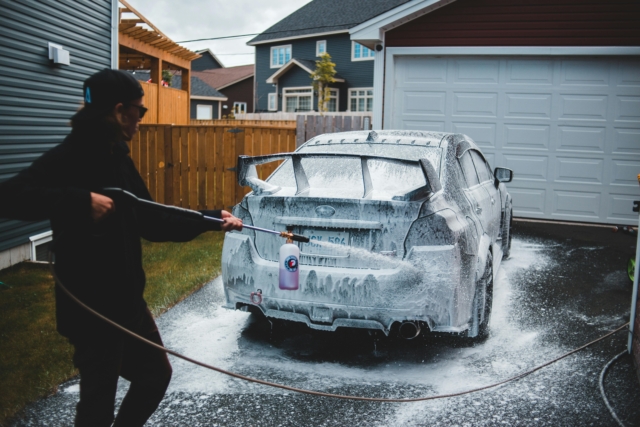
Regular Washing & Waxing
Regularly washing your car removes dirt, road salt, bird droppings, and other contaminants. These things can damage your car’s paintwork over time. Washing protects the finish and prevents rust.
Waxing your car adds another layer of protection. Wax creates a barrier against UV rays, dirt, and moisture. It also gives your car a brilliant shine. Wax your car a few times a year for the best results.
Interior Cleaning & Protection
A clean interior makes driving much more pleasant. Regular vacuuming removes dirt and crumbs from carpets and seats. Wiping down surfaces keeps dust at bay. This also prevents build-up that can cause wear.
Use specific cleaning products for different surfaces. For example, use protectants on your dashboard and leather seats. This stops them from cracking or fading due to sun exposure. A well-maintained interior holds its value better.
Checking for Leaks & Damage
Periodically inspect your car for any signs of trouble. Look under the car when it is parked. Are there any fluid puddles? Clear puddles could be water from air conditioning. Coloured fluids, like red, green, or brown, suggest a leak.
Check your carpets for damp spots. This could mean a water leak from windows or seals. Also, look for cracked trim, paint chips, or small rust spots on the exterior. Catching these issues early prevents them from becoming bigger, more costly problems.
Conclusion: Your Proactive Approach to Reliable Driving
Maintaining your car isn’t just about avoiding repairs. It’s about ensuring your safety and getting the most out of your vehicle. A consistent car maintenance schedule helps your vehicle last longer and perform better. You can avoid those inconvenient and often expensive roadside breakdowns.
Take the time to understand your car’s needs. Create a personalised maintenance checklist based on its make, model, and how you drive it. Regular checks, fluid changes, and timely replacements are an investment. This proactive care pays dividends in reliability, safety, and long-term savings. Keep your ride running smoothly for years to come.